Strengths first
We start by identifying what each resident already does well.

Personal Futures Planning begins with a single, powerful question: what does the future look like through the resident's own eyes? Rather than starting with a list of deficits or limitations, we start with vision — the hopes, ambitions, and quiet dreams that often go unspoken in traditional care settings. From there, we use the planning process as a practical tool to build life skills and forge real connections to the community around us.
We deeply value the skills, talents, and abilities each resident brings with them, and we encourage every person to identify their strengths and put them to work in positive ways. Everyone has something to offer their community — and Personal Futures Planning is how we help that contribution take shape, one meaningful step at a time.
The plan itself is built collaboratively with the resident, their family, trusted friends, and our care team. It evolves as the person grows, capturing new interests, new relationships, and new chapters of the journey rather than locking anyone into a static program.
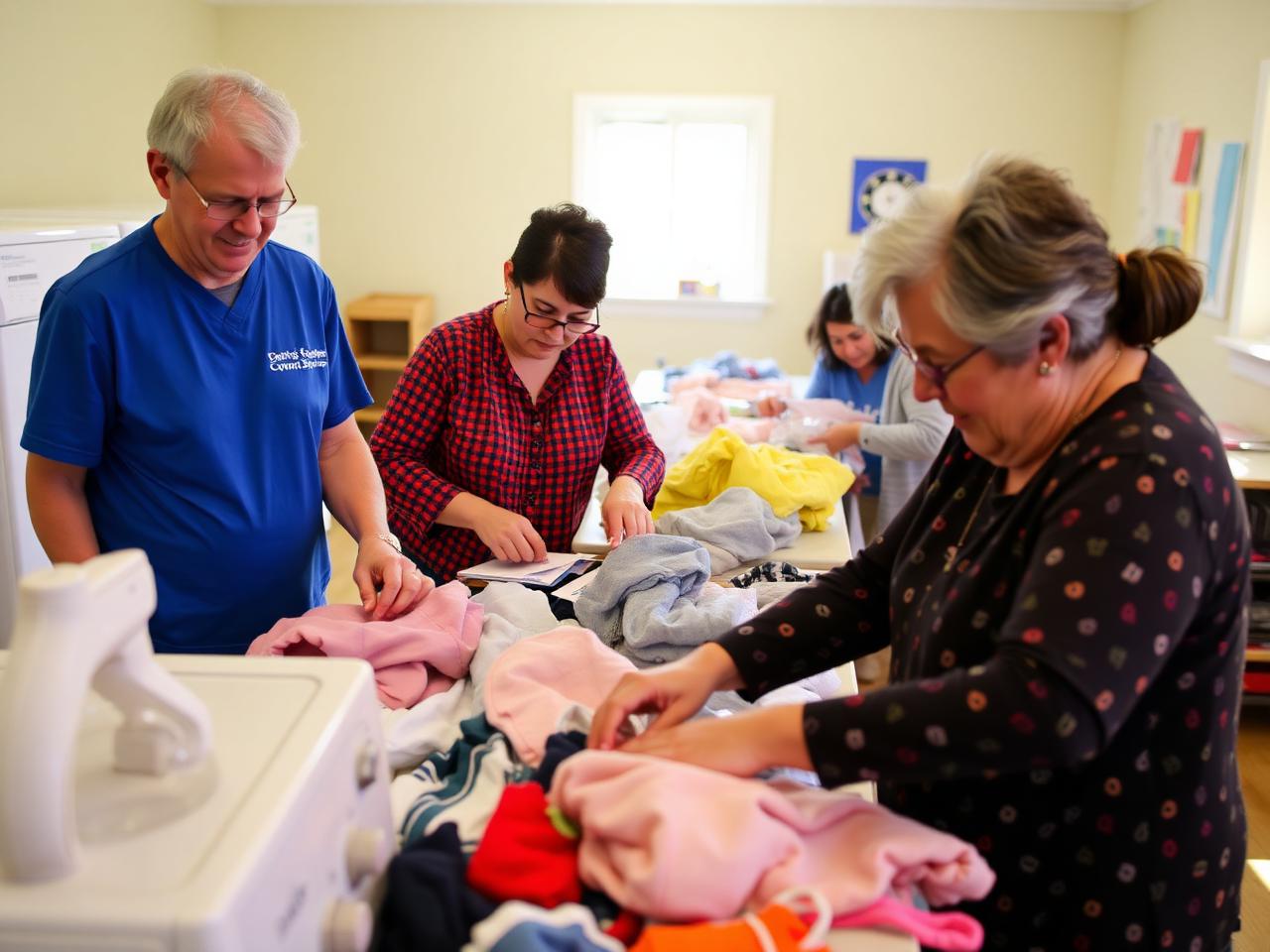
We help residents navigate social, financial, educational, and vocational settings by meeting each person exactly where they are and building outward from there. No strength is too small to be useful, and no goal is too modest to matter. Our role is to walk alongside — offering a steady hand, gentle encouragement, and the kind of practical support that turns intention into momentum.
We start by identifying what each resident already does well.
Residents articulate the future they want — in their own words.
We do things with residents, not for them, building self-reliance.
Doors open to clubs, classes, volunteer work, and friendships.
Cooking, budgeting, transit, employment — practiced in real settings.
A supportive environment where mistakes become learning, not failure.
“We use whatever a person brings with them to lift them up to the next level toward self-reliance.”
Friendships, clubs, and meaningful relationships beyond our home.
Pathways to employment, volunteering, and purposeful daily activity.
Continued learning — from literacy to hobbies to lifelong interests.
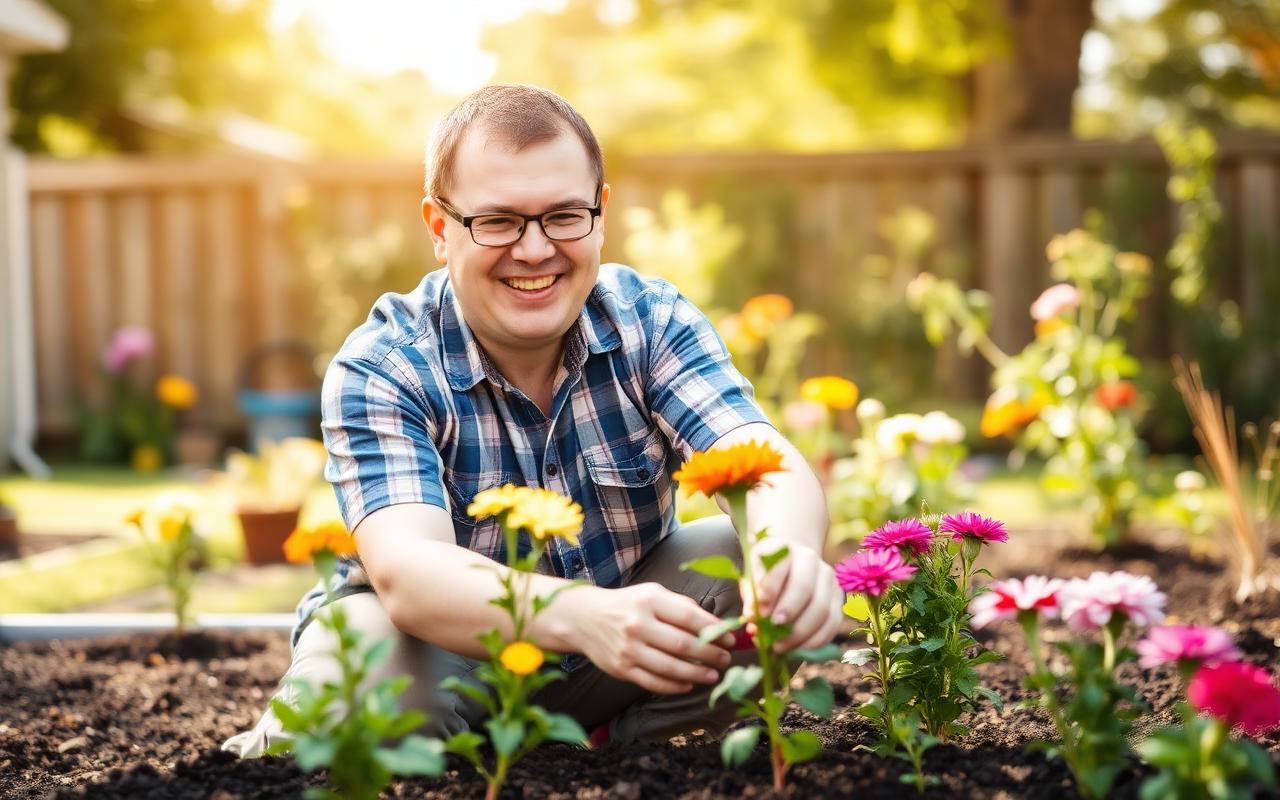
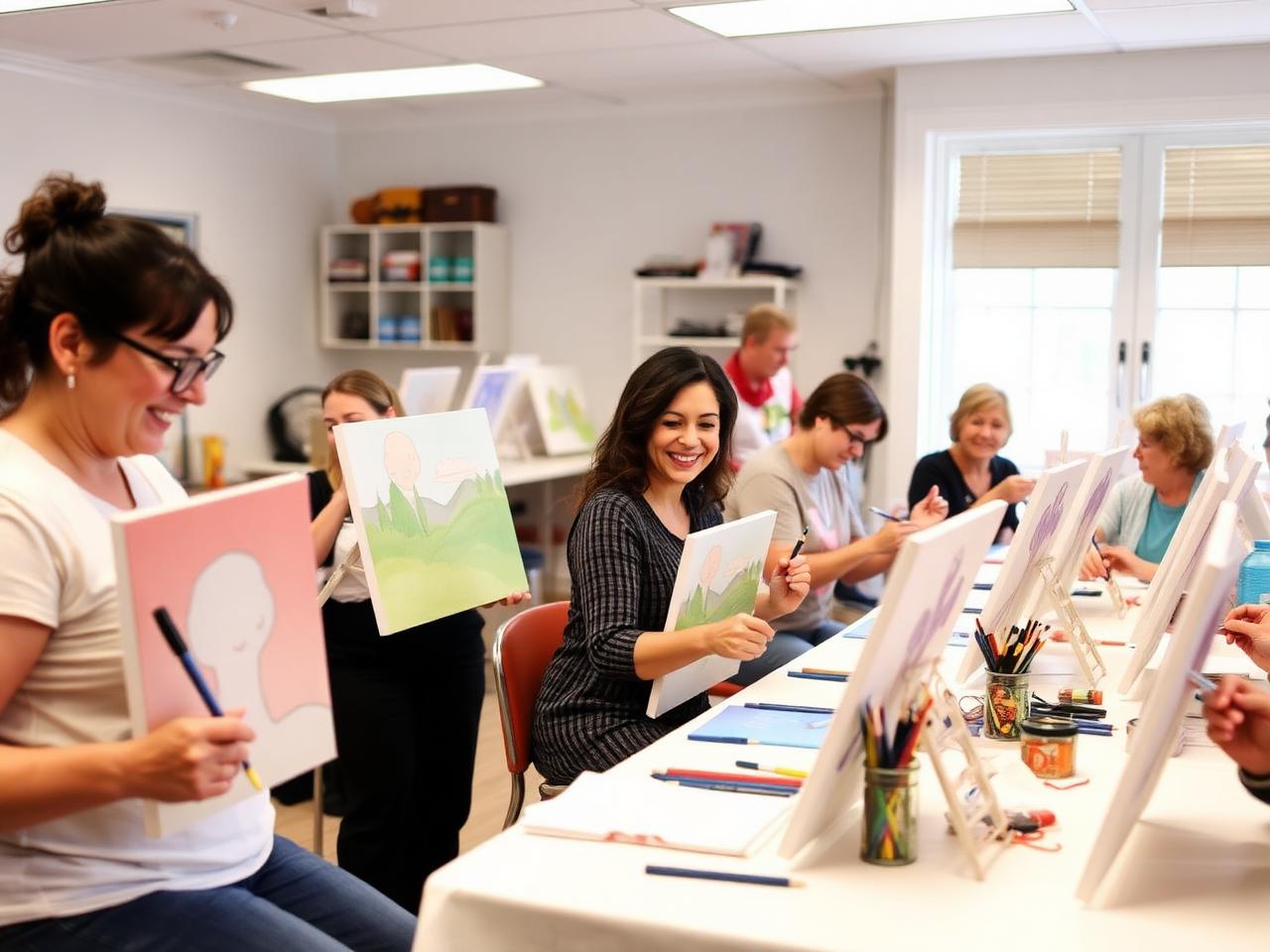
For one resident, that might look like cooking weekly meals together with staff support, learning to manage personal money and a household budget, or building the confidence to ride public transit independently for the first time. For another, it could be volunteering with a local community organization, taking an evening art class, or pursuing creative hobbies that bring genuine joy to the ordinary hours of the week.
The common thread is that skills are practiced in the real settings where they matter — not in artificial drills. We celebrate the small wins, learn from the inevitable stumbles, and revisit the plan often so it keeps pace with each resident's growth and evolving sense of what's possible.
Personal Futures Planning isn't a checklist — it's an ongoing conversation about what's possible. We hold our residents' hands when they need steadying, step back when they're ready to lead, and adjust our level of support based on each person's physical, emotional, and behavioral strengths in any given moment.
Above all, we treat the future as something a resident gets to author — not something handed down from staff. Vision belongs to the person; action is supported by our team; and growth, when it comes, is celebrated as a community.